Premium Custom Card Decks for Brands, Publishers, Designers, and Creators. Discuss Your Project →

About Us

We grow with our customers, supporting each other along the way

Custom Card Game Printing Technologies

Printing Technologies

The right printing technology depends on your product, quantity, material, color requirements, and finishing plan. EZRA Card combines offset, digital, UV, Pantone, and specialty printing options to help produce consistent cards, packaging, booklets, and related printed components.

playing card

Choose the Printing Method for Your Project

Different printing technologies solve different production requirements. Quantity, artwork, material, color control, turnaround time, and finishing should be reviewed together before the production method is selected.

Printing TechnologyWhat It Helps SolveSuitable ApplicationsMain Considerations
Offset PrintingStable full-color production for medium and high quantitiesPlaying cards, TCG cards, game cards, boxes, bookletsRequires prepress setup and is usually more efficient for larger runs
Digital PrintingSamples, prototypes, short runs, and faster artwork testingSamples, short-run cards, variable-data productsColor and material options depend on the digital press and project
UV Offset PrintingRapid ink curing and compatibility with selected production routesCards, packaging, and printed boardsRequires confirmation of material, coating, and finishing compatibility
Pantone Spot ColorMore controlled reproduction of selected brand colors and solid areasLogos, brand colors, large flat color areasRequires correct color reference and proof approval
Screen Printing and Specialty InksThicker or more opaque ink layers and selected special effectsWhite ink, fluorescent colors, metallic tones, tactile highlightsDetail, durability, and available effect depend on the process and material
Holographic EffectsReflective or rainbow visual effects for premium presentationTCG cards, collector cards, limited editions, packagingUsually involves a holographic material, foil, film, or finishing process rather than standard CMYK alone

Offset Printing for Consistent Production

Offset printing is commonly considered for medium- to high-volume production. It is suitable for detailed illustrations, gradients, photographic artwork, card faces, packaging panels, and instruction booklets.

What Offset Printing Helps With

What Needs to Be Confirmed

Digital Printing for Samples and Short Runs

Digital printing sends artwork to a digital press without the same plate preparation used for conventional offset production. It can be useful for prototypes, samples, short runs, artwork testing, and selected variable-data projects.

What Digital Printing Helps With

Important Limitations

Printing Methods and Specialty Effects

Different printing methods and specialty effects solve different production requirements. Select a method below to see how it may be used for custom cards, packaging, booklets, and collector products.

UV Printing and UV-Compatible Production

UV printing uses ultraviolet light to cure ink during production. It can support selected printing routes for cards, packaging boards, and other printed components where rapid ink curing is required.

The suitable UV process depends on the paper or board, surface coating, artwork, finishing plan, and required product performance. UV printing should be reviewed together with the complete material and finishing specification.

For surface protection or additional visual effects, see our finishing options.

View More →
UV printing production for custom cards and packaging

Color Management and Proofing

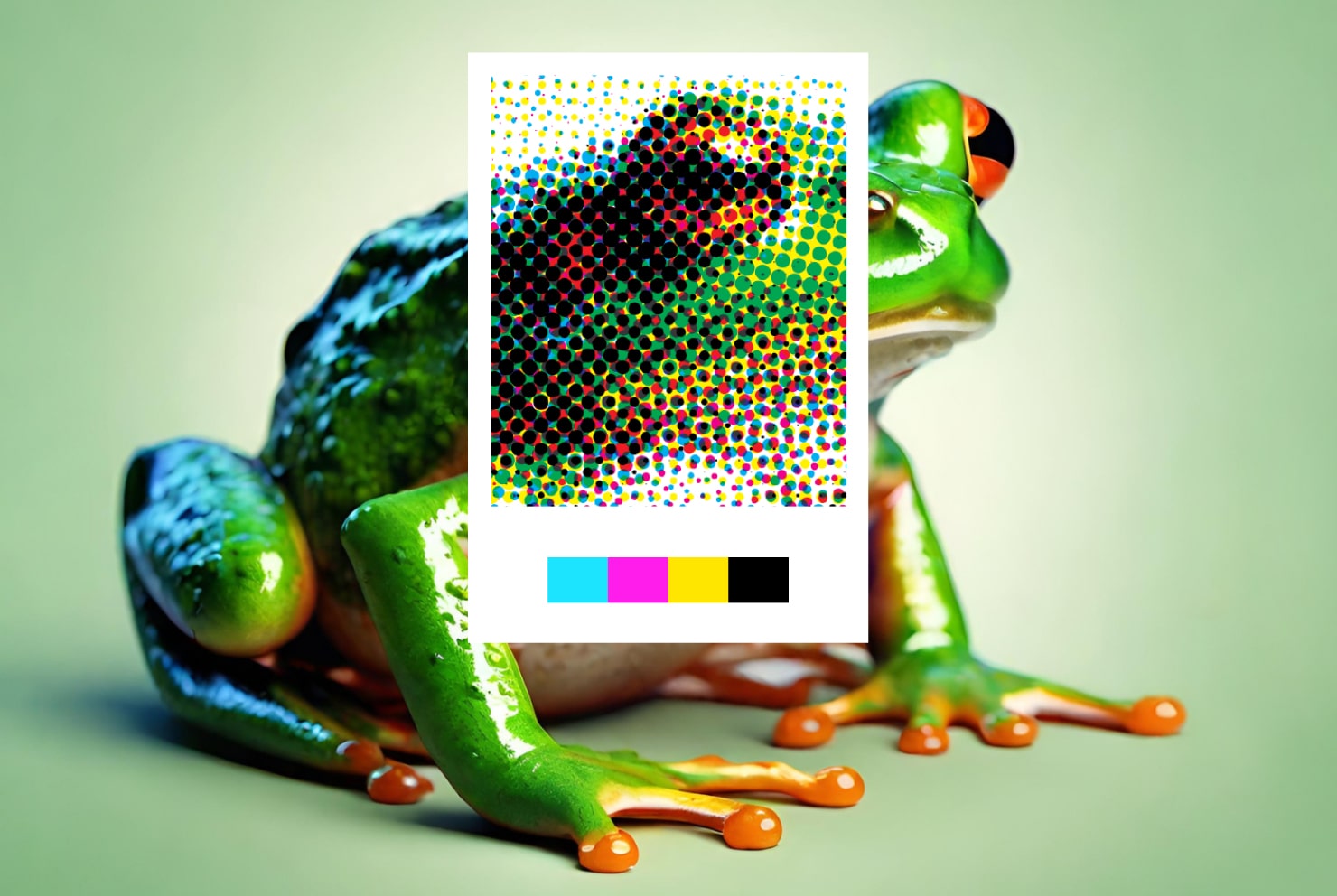
Color is controlled by reviewing the artwork, selecting the appropriate CMYK or Pantone reference, confirming the paper or board, and approving the correct proof before production.

CMYK is generally used for full-color artwork such as illustrations, gradients, and photographs. Pantone spot colors can be considered for selected brand colors, logos, and solid color areas.

A digital proof is mainly used to review layout, content, and general color direction. A press proof or physical sample provides a more realistic reference for the selected material and production process.

Screen colors cannot represent the final product exactly because displays use light, while printed products are affected by paper, ink, coating, lighting, and finishing.

Customer approval is recommended before mass production when color is commercially important, when Pantone colors are required, when the material or finishing may affect appearance, or when the product includes multiple versions or special effects.

For artwork specifications, review the relevant print template before submitting files.

CMYK

Matching Printing Technology to the Product

The suitable printing route depends on the product type, order quantity, artwork, material, finishing, and color requirements. The table below provides a general starting point for project discussions.

ProductCommonly Considered TechnologyMain Production Consideration
Playing Cards Offset, CMYK, Pantone, selected specialty effectsArtwork detail, quantity, stock, and handling feel
Tarot and Oracle Cards Offset, CMYK, Pantone, selected finishingIllustration detail, color consistency, and surface finish
TCG and Trading Cards Offset, specialty inks, holographic material or finishingCollector effects, version control, and packaging
Game Cards Offset or digitalQuantity, number of versions, and assembly
Flash Cards Offset or digitalText clarity, illustration reproduction, and short-run requirements
Card Boxes Offset or digital with finishingBoard thickness, folds, glue areas, and retail appearance
Booklets and Instructions Offset or digitalPage count, text clarity, binding, and quantity
Puzzles CMYK on suitable board with die-cuttingImage reproduction, board construction, and cutting accuracy

FAQs

Color control begins with artwork review, color mode confirmation, material selection, proofing, and production approval. The final appearance is reviewed against the approved artwork, proof, sample, or other agreed reference. The result can also be affected by paper, ink, coating, finishing, lighting, and viewing conditions.

Learn about our quality control process →

CMYK is normally used for full-color artwork, including illustrations, gradients, photographs, and detailed card designs. Pantone spot colors can be considered for selected brand colors, logos, and solid color areas that require a clearer color reference. The required color method should be confirmed with the artwork, material, printing process, and proofing method before production.

Review cardstock material options →

A digital proof is mainly used to review layout, artwork, text, image placement, and the general color direction. A press proof or physical sample is produced through a more representative printing route and can provide a better reference for the selected paper, ink, coating, and finishing. The appropriate proof depends on the product and the importance of color accuracy.

Screens create color with light, while printed products create color with ink, paper, coating, and surface treatment. Monitor settings, brightness, color profiles, paper tone, ink coverage, finishing, and lighting can all affect the final appearance. For this reason, a screen image should not be treated as the final color standard for mass production.

Customer approval is recommended before mass production when color is commercially important, when Pantone colors are required, when the material or finishing may affect appearance, or when the project includes multiple versions or special effects. Approval should cover the artwork, color reference, material, finishing, dimensions, and other agreed production requirements.

Review the production process →

Not necessarily. A screen image is not a complete physical color reference, and the final result can vary with the paper, ink, coating, finishing, lighting, and printing method. For important color requirements, the approved proof or physical sample should be used as the production reference.

If your project includes special effects such as foil, UV, or holographic materials, these should also be reviewed with the selected material and finishing specification.

Explore finishing options →

Bulk Custom Premium Decks

Made for publishers, Kickstarter creators, game designers, artists, studios, brands, and product teams.